

Historically, agricultural enterprises operated within strictly isolated verticals: crop farmers grew produce, independent dairies managed herds, third-party intermediaries handled transportation, and distant wholesale markets determined price realizations. This fragmented structure exposed primary producers to severe seasonal price swings, high post-harvest transit losses, and minimal bargaining power.
The integrated agribusiness model represents a fundamental strategic shift. By unifying crop cultivation, livestock management, post-harvest storage, and commercial trade under a coordinated corporate umbrella, enterprises can unlock closed-loop synergies that enhance both operating margins and risk diversification.
Consider the biological and operational interplay between crop farming and dairy husbandry. Green fodder and crop residues generated from crop acreage supply high-quality forage and silage for cattle herds. In return, livestock manure is collected and cycled through bio-digesters or compost stabilization yards, yielding nutrient-rich organic compost and biogas. This organic fertilizer is returned to the fields, reducing synthetic fertilizer procurement expenditures and enhancing soil fertility without external dependency.
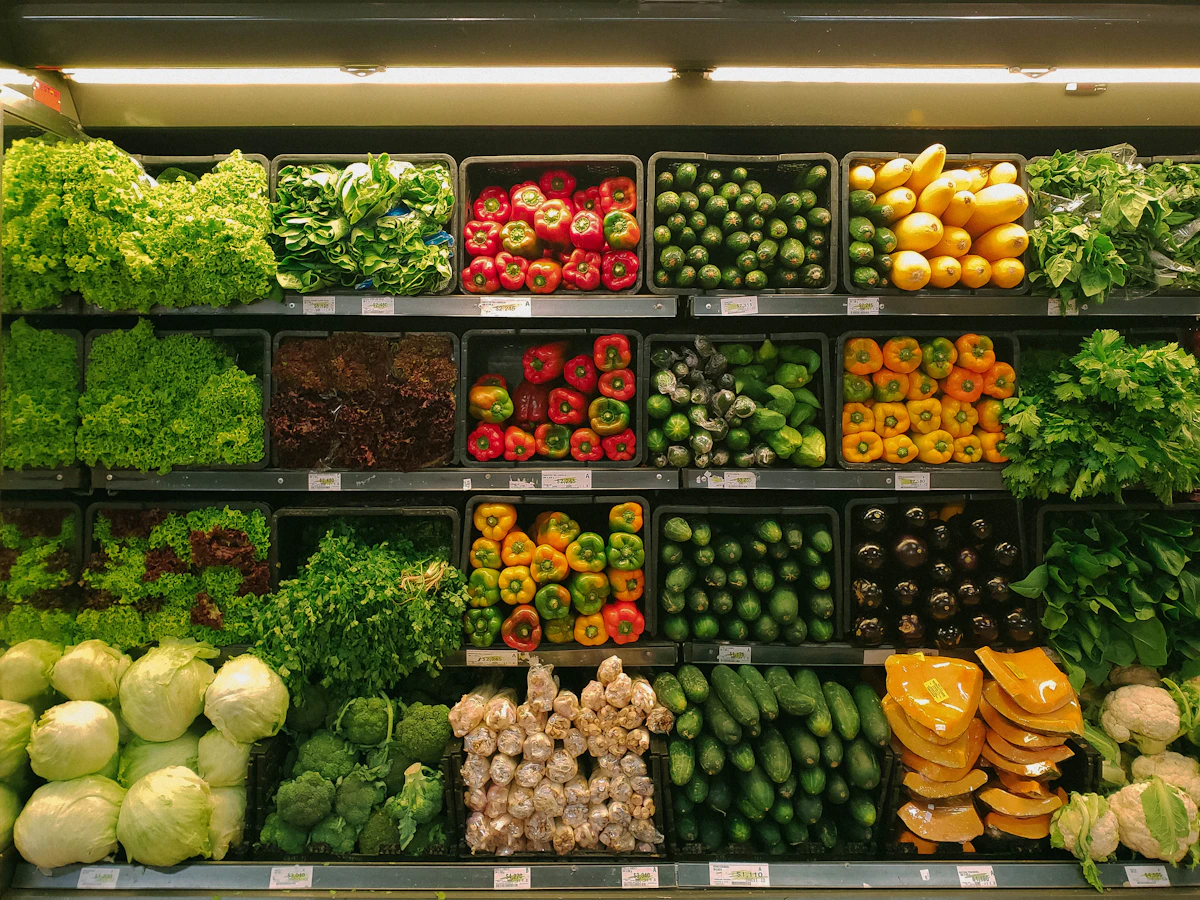
On the commercial front, integration bridges the gap between field harvest and end-market fulfillment. When an agribusiness controls on-site grading, washing, packaging, and cold-chilling infrastructure, it eliminates the immediate pressure to sell perishable crops at depressed harvest-time farmgate prices. Produce can be sorted according to buyer specifications, packed into uniform commercial lots, and directed toward institutional buyers, food processors, or organized retail chains.
Moreover, an integrated platform facilitates lawful trading and strategic collaborations. By aggregating volume from surrounding smallholders alongside internal production, an agribusiness creates substantial economies of scale in input purchasing while offering bulk institutional buyers a dependable single-point supply source. Integrated agribusiness is thus not just a farming methodology—it is a robust, risk-managed commercial framework designed for enduring profitability.