

In contemporary discussions around agriculture, software applications and digital platforms frequently capture attention. Yet the physical reality of agriculture remains grounded in physical infrastructure: roads that withstand monsoon deluges, power systems that pump water when rural grids fail, and climate-controlled structures that protect delicate harvests from post-harvest deterioration.
Developing durable agricultural infrastructure is the single most critical factor in converting potential farmland into a consistently profitable commercial enterprise. Without appropriate physical assets, even the most advanced agronomic methods succumb to logistic bottlenecks, storage spoilage, and utility interruptions.
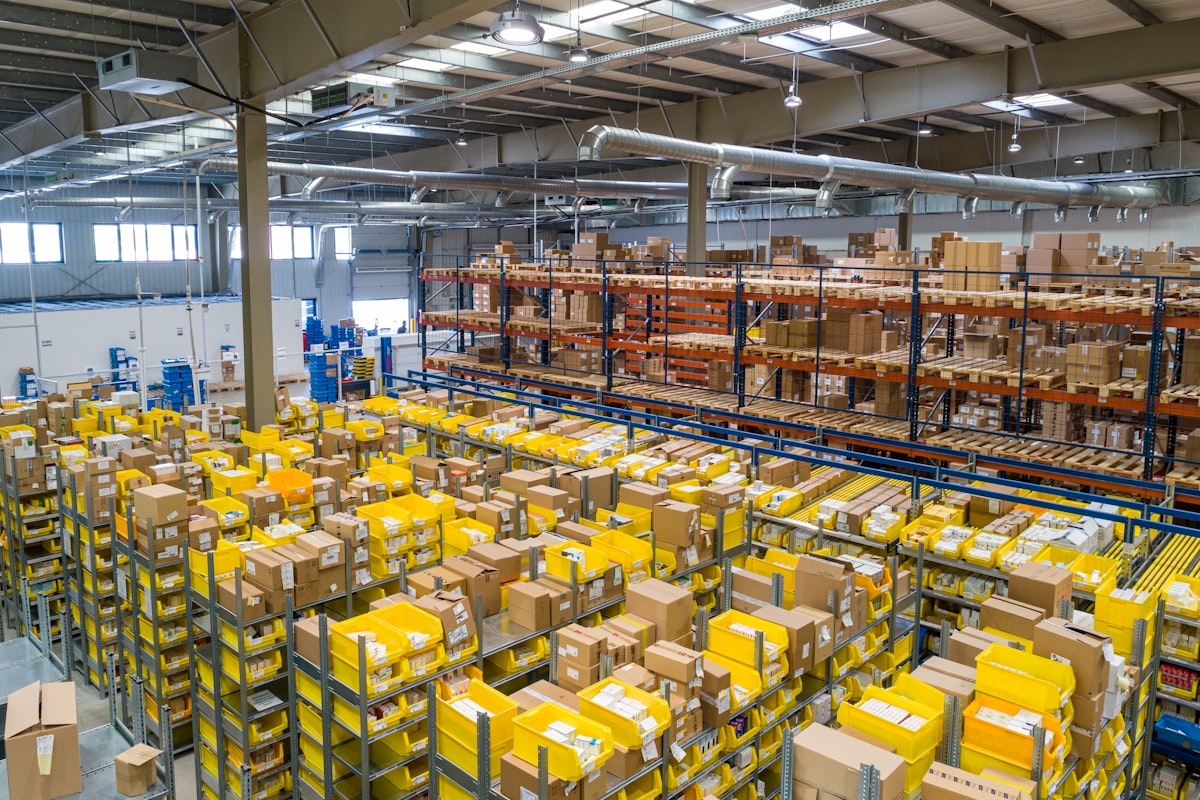
A primary example is decentralized post-harvest cold storage and pre-cooling facilities. For perishable fruits, vegetables, and dairy products, the hours immediately following harvest are decisive. Field heat accelerates enzymatic degradation and moisture loss. When pre-cooling chambers and multi-temperature cold rooms are situated directly at or near the farmgate, the cold chain begins at moment zero. Produce maintains its firmness, nutritional value, and visual appeal for significantly longer periods, granting producers the flexibility to service distant metropolitan markets or export corridors.
Energy resilience is another critical infrastructure pillar. Rural electrical grids often suffer from erratic voltage fluctuations and scheduled power outages that coincide precisely with peak irrigation hours. By deploying on-farm solar photovoltaic arrays and agrivoltaic systems, agricultural estates secure predictable, continuous power for submersible borewell pumps, automated drip manifolds, and refrigeration equipment. This clean energy independence insulates the farm from escalating grid tariffs and costly diesel generator reliance.
Finally, civil infrastructure such as engineered internal access roads, concrete drainage culverts, rainwater harvesting farm ponds, and heavy-duty equipment sheds complete the operational framework. All-weather roads ensure that heavy transport trucks can access loading bays even during torrential monsoon downpours, preventing harvest stranding. Heavy equipment sheds extend the operational lifespan of tractors, tillers, and harvesters by protecting them from corrosive weather exposure.
Investing in well-engineered agricultural infrastructure is therefore not an incidental capital expenditure; it is the foundation upon which commercial reliability, risk reduction, and enterprise valuation are established.